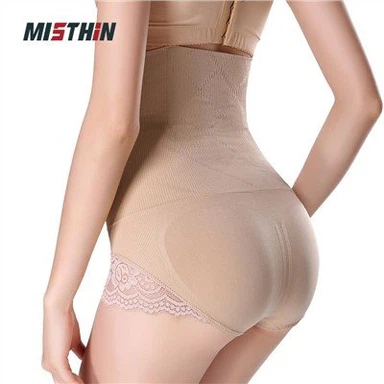

what is faja and How to Choose the Right Fajas
Dec 19, 2025
The Truth About Colombian fajas -From Recovery to Everyday Confidence
You've probably seen the term "faja" everywhere-from post-surgery recovery guides to celebrity red carpet prep. But what exactly is a faja? And more importantly: does it work, and when should you wear one?
Let's put aside the hype and take a closer look.
what is a faja?
In English: There's no direct one-word translation, but it's commonly called a waist trainer, body shaper, compression girdle, or post-surgical garment, depending on the style and purpose.
In Spanish: Faja literally means "girdle," "sash," or "belt." In modern usage across Colombia, Venezuela, and other Latin countries, it refers to compression shapewear worn for aesthetic or post-surgical purposes.The global popularity of fajas colombianas (Colombian fajas) stems from Colombia's reputation for beauty, fashion, and advanced cosmetic surgery culture-where fajas are often prescribed after procedures like BBLs (Brazilian Butt Lifts).
It's a type of shapewear that, depending on the style, provides compression and support to areas such as the bust, abdomen, waist, hips, and thighs, helping to sculpt the body's curves.
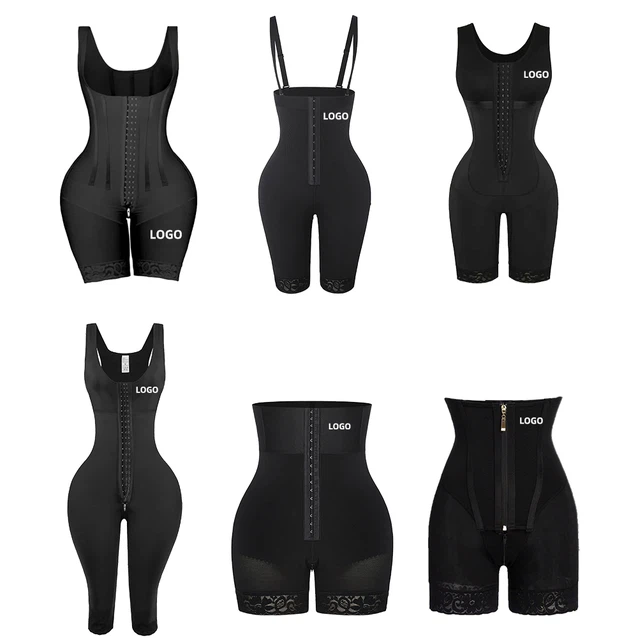

What Are Fajas Made Of?
Traditional and medical-grade fajas use technical, layered fabrics designed for support and durability:
Primary material: Powernet-a high-strength blend of nylon and spandex known for firm, even compression
Lining: Soft cotton or moisture-wicking mesh (to prevent skin irritation)
Structure: Some include flexible spiral steel bones for posture support-but never rigid plastic
When to Use Fajas Colombianas
"Fajas colombianas" specifically refer to the high-quality, fashion-forward shapewear popularized in Colombia. They're ideal for:
Post-cosmetic surgery recovery (BBL, tummy tuck, lipo) - with doctor approval
Special occasions (weddings, photoshoots, events) where you want a seamless silhouette
Daily confidence under fitted clothing
Light activity days (shopping, walking, office wear)
❌ Not for: Sleeping, intense workouts, pregnancy, or unsupervised long-term daily use.
Do Fajas Actually Work?
✅ What fajas DO:
Provide immediate smoothing of the abdomen, hips, and back
Offer support during post-surgical healing (reducing swelling, aiding skin retraction)
Enhance confidence under clothing
Improve posture awareness through gentle compression
❌ What fajas DO NOT do:
Burn fat or cause weight loss
Permanently reshape your body without surgery or fat loss
Replace core-strengthening exercise or healthy nutrition
Medical note: After procedures like liposuction or BBL, doctors often recommend medical-grade fajas to support healing. But for non-surgical users, effects are temporary and cosmetic.
Types of Fajas
| Type | Coverage | Best For |
|---|---|---|
| Waist Trainer | Waist only | Temporary hourglass shaping, light smoothing |
| Open-Bust Bodysuit | Waist to thighs/buttocks (no chest) | Post-surgery recovery, BBL support |
| Closed-Bust Full Body | Chest to thighs/ankles | Full-body contouring, tummy tuck recovery |
| Everyday Shaper | Moderate compression, breathable fabric | Daily wear under clothes (e.g., MISTHIN Everyday Comfort Band) |
| Workout Faja | Lightweight, flexible | Light activity like walking or yoga |
How to Choose the Right Faja
Ask yourself these questions:
What's my goal?
Recovery → Choose a high-compression, seamless post-op faja
By Compression & Recovery Stage:
Stage 1 (Low Compression):Soft, flexible, for immediate post-surgery to manage initial swelling and provide gentle support.

Stage 2 (Medium Compression):Less stretchy, for when swelling reduces, offering firmer support for healing tissues.
Stage 3 (High Compression):Rigid, often with boning, for long-term healing and maximum contouring after inflammation subsides.

By Coverage & Style
faja waist trainer :Target the waistline and tummy, leaving hips and legs free.

brazilian butt lift faja:Cover torso to mid-thigh, smoothing hips, buttocks, and thighs.

Full Body faja/Bodysuits:Offer total body coverage, from torso to thighs, with options like open bust or 3/4 sleeves.

Daily shaping → Opt for a breathable, moderate-compression style
Workout support → Only use flexible, neoprene-free designs for light movement
What's my size?
Measure your waist, hips, and bust; this will allow you to compare your measurements to the brand's size chart. Each manufacturer has its own size guide, so be sure to check carefully before making a decision.
Never size down! A faja should fit snugly but allow full breathing and movement.
How long will I wear it?
All-day wear? Look for moisture-wicking fabric and flat seams.
Post-op? Follow your surgeon's compression guidelines.
🔍 Pro tip: The best waist trainer for lower belly fat or best waist trainer for hourglass shape often comes in faja form-but choose function over extreme tightness.
Caring for Your Faja
To extend its life and maintain hygiene:
Hand wash in cold water with mild detergent
Air dry flat-never wring or machine dry (heat damages elastic fibers)
Rotate between two fajas if wearing daily to preserve compression
Store flat or rolled-avoid folding sharply, which can crack internal seams
A well-cared-for faja lasts 6–12 months with regular use.
Final Thought: Fajas as Tools-Not Magic
Fajas are powerful when used responsibly and realistically. They can support healing, boost confidence, and enhance your natural curves-but they won't replace health, strength, or self-care.
At MISTHIN, we honor the tradition of fajas colombianas while reimagining them for modern, active women who value comfort, safety, and authenticity.