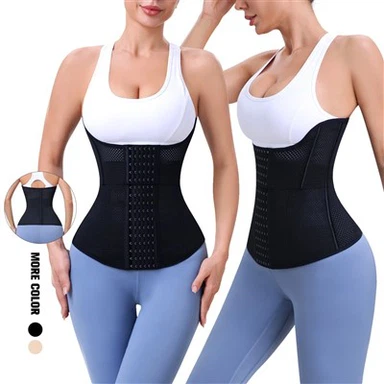

Sleeping with a Waist Trainer: A Shortcut to Faster Shaping or a Health Risk?
Mar 12, 2026

Author: [MISTHIN/JAY]
If you've Googled "can you sleep in a waist trainer?", you might be confused by the polarized answers.
On one hand, fitness bloggers and enthusiasts tell you, "This is the secret weapon to shorten your shaping time; you can lose weight while you sleep!" On the other hand, doctors and health experts shake their heads, warning that it can lead to breathing difficulties, acid reflux, and even internal organ damage.
As someone who has worked in this industry for many years, I want to be honest with you: this isn't a simple "yes" or "no" question. Today, we won't talk about empty theories, but rather delve into the scientific principles, potential risks, and how to do it safely, comfortably, and effectively if you decide to try it.
Why Most People Advise You "Against It"?
Before discussing any potential benefits, we must first acknowledge the risks. Sleep is a crucial time for our bodies to repair themselves, and any behavior that interferes with this process should be approached with caution.
The "Invisible Shackles" on the Respiratory System
When you're awake, if you feel your waistband is too tight, you'll subconsciously adjust your breathing or unbutton it. But this self-protective mechanism weakens during deep sleep.
Waist trainers restrict the diaphragm's descent. The diaphragm is our primary respiratory muscle; when it can't move freely, your breathing becomes shallow, and oxygen intake decreases. This can not only lead to frequent micro-awakenings at night (leaving you feeling tired the next day), but in the long run, it can also prevent the body from entering a deep, restorative sleep phase.
The "Pressure Cooker" for the Digestive System
Imagine you've just finished dinner, your abdomen is full, and significant external pressure is applied while you lie flat.
This significantly increases intra-abdominal pressure, forcing stomach acid up the esophagus. For someone already prone to mild gastroesophageal reflux (GERD), this is a disaster-heartburn and acid reflux can keep you up all night. Furthermore, obstructed intestinal motility can lead to bloating, flatulence, and even constipation.
Skin Health Crisis
Wearing tight, non-breathable clothing all night is like putting a "plastic wrap" on your skin. Sweat, sebum, and bacteria are trapped against the skin's surface, creating a warm, humid environment that becomes a breeding ground for fungi and bacteria. Rash, folliculitis, and even fungal infections are often the price of neglecting breathability.
A Hidden Killer of Sleep Quality
Even without the aforementioned serious health problems, simple discomfort-not being able to find a comfortable position, imbalanced body temperature regulation, and the friction of clothing-is enough to fragment continuous sleep. Poor sleep leads to elevated cortisol levels, which may actually make weight loss more difficult.
Benefits of Sleeping with a Waist Trainer
Given so many risks, why is "Can I Sleep in a Waist Trainer" still a hot topic? Because for some people, there are indeed benefits in specific situations, but we need to be rational.
Extending the "Shaping Window"
This is the core motivation. The principle of waist training lies in continuous, gentle pressure and memory reshaping. For those who find it inconvenient to wear a corset during the day, nighttime is the only opportunity to achieve the "effective duration."
An Auxiliary Method for Appetite Control
Some users report that wearing a corset to bed provides a slight feeling of fullness, thus suppressing the urge to snack late at night. However, please note: this should never replace a healthy eating plan. Relying on tightening your stomach for weight loss is unsustainable; real change comes from a balanced diet.
💡 Expert Diet Tips:
If you plan to wear a corset (whether during the day or at night), dietary adjustments are crucial:
High Fiber + Moderate Fat: Eat plenty of leafy green vegetables and salads, paired with healthy fats like avocados.
Choose Fruits Smartly: Avoid soft fruits that are too juicy and high in sugar; choose firmer fruits like apples and pears to reduce the burden on your stomach.
Eat Small, Frequent Meals: Eat every 3-4 hours, keeping portions to the size of your palm.
Take It Gradually: Don't rush things. Reducing your waistline by 1 inch per month is already a very fast rate; give your body time to adapt.
The Psychological Satisfaction of "Morning Visual Effects"
After a whole night of compression, the soft tissues (fat and skin) in the waist are temporarily compressed upon waking the next morning, and body fluids shift. At this moment, the waistline is often at its smallest of the day. Although it rebounds after drinking water and eating, this immediate visual feedback can bring many people immense psychological satisfaction and confidence in dressing, especially if you have an important appointment in the morning.
⚠️ Misconceptions about "Fat Burning" and "Treatment of Back Pain"
Metabolic Fluctuations? It's true that wrapping the abdomen will locally raise the temperature, leading to sweating and slight water loss, but this is not burning fat. Once you rehydrate, the weight will return. Don't expect to "lose weight while lying down" by wearing a waist trainer to sleep.
Back Pain Support? Unless it's a medical brace prescribed by a doctor, ordinary shaping waist trainers do not have the function of treating acute lumbar sprains. Blindly relying on it to fix sleeping posture may actually mask the true condition.
If you've weighed the pros and cons and still want to use nighttime to accelerate your body shaping goals, then please be sure to follow these safety guidelines. This is not just about results, but also about your health.
Step 1: Choose the Best Waist Trainer to Sleep in
Not all waist trainers are suitable for overnight use. You need a product designed for "low pressure, high comfort."
An ideal overnight waist trainer should have the following characteristics:
Adjustability is key: Your internal organs need more space at night. Choose a style with multiple rows of hooks, allowing you to relax 1-2 levels compared to daytime. The fabric must be soft and rich in spandex, providing elasticity rather than rigid compression.
Ultimate breathability and antibacterial properties: Since you'll be wearing it for 8 hours, the fabric must be mesh or have a mesh design to ensure airflow. More importantly, it needs to be antibacterial to cope with nighttime sweating.
Durable and flexible memory foam boning: We toss and turn in our sleep, and inferior boning can easily break and puncture the skin. You need memory foam boning that has withstood thousands of folding tests and still bounces back.
Our Recommendation:
Among the many products we've tested, the MISTHIN S0329 waist trainer stands out as a top choice for nighttime wear.
It not only boasts flexible multi-row adjustable buckles, allowing you to find that "effective yet imperceptible" tightness; it also holds a 10A-level antibacterial certification, minimizing the risk of bacterial growth at night; and its built-in 12 memory steel bones have undergone 3,000 folding tests, ensuring a gentle fit without breaking no matter how you toss and turn.
(If you're looking for ultimate lightness and breathability, the S0403 waist trainer is also an excellent choice. It's even lighter than the S0329, feeling like a second skin.)
Step 2: Adjusting Your Wearing Strategy
"Downgrading" your wear: This is the golden rule. If you wear it with the second row of buckles during the day, move it to the fourth row or even looser at night. The goal is "slight pressure," not "suffocation."
Fasting before bed: Stop eating at least 2-3 hours before bedtime to allow your stomach time to empty, significantly reducing the risk of acid reflux.
Step 3: Optimize Your Sleeping Posture
Incorrect posture renders efforts futile and can even lead to injury.
For Back Sleepers
Sleeping on your back is the least stressful position for the spine, but a corset may leave your lower back unsupported.
Tip: Place a pillow under your knees to relax your hip flexors and reduce lower back pressure. If your mattress is soft, you can tuck a rolled-up towel into the gap in your lower back for extra support.
Preventing reflux: Slightly elevate your upper body (using a wedge pillow or adding an extra pillow) to use gravity to prevent acid reflux.
For Side Sleepers
When sleeping on your side, a gap can easily form between the corset and the bed, and your hips can easily sag, leading to spinal misalignment.
Tip: I learned a great little trick from a pregnant friend. Place a pillow between your legs to keep your pelvis neutral; also place a long pillow behind your back to prevent your body from unconsciously rolling backward. This way, your body doesn't need to exert effort to maintain balance, allowing you to truly relax.
For Those Who Sleep on Their Stomachs
I strongly suggest you give up this sleeping position. Even without a corset, sleeping on your stomach forces your neck to twist (leading to a stiff neck), compresses your chest cavity affecting breathing, and causes facial wrinkles. Sleeping on your stomach while wearing a corset puts double pressure on your internal organs, doing more harm than good.
Conclusion: Listen to Your Body
Wearing a waist trainer to sleep isn't magic; it's a double-edged sword. Used well, it's an accelerator on your body shaping journey; used poorly, it's a stumbling block to your health.
Our suggestion is: start with short periods. For example, try wearing it for a 1-2 hour nap and observe your body's reaction. If you don't experience breathing difficulties, stomach pain, or skin allergies, gradually extend it to the entire night.
Remember, the most beautiful figure is built on a foundation of health. If you feel uncomfortable at any time, please take it off immediately. After all, a good night's sleep is the best beauty treatment.
Disclaimer: The content of this article is for informational purposes only and does not constitute medical advice. If you have respiratory problems, digestive issues, or are pregnant, please consult a doctor before trying to wear a waist trainer to bed.
FAQ
1. What is the best time to wear a waist trainer?
It depends on your schedule. Daytime wear supports posture during activity, while nighttime wear extends your shaping hours without interrupting your day. Many users find a split approach (e.g., 6 hours day + 2 hours night) most effective.
2. Does sleeping with a waist trainer help lose weight?
Not directly. It doesn't burn fat. However, it can suppress late-night appetite and reduce bloating, which may support your diet efforts. Real weight loss still requires a calorie deficit and exercise.
3. Can you die if you sleep with a waist trainer?
Extremely unlikely for healthy adults, provided you don't lace it too tightly. The real risks are discomfort, acid reflux, or shallow breathing. Always listen to your body and remove it immediately if you feel pain or dizziness.
4. Can you wear a waist trainer all day?
No. Wearing one 24/7 can weaken core muscles, restrict digestion, and irritate skin. Aim for a maximum of 8–10 hours daily, giving your body plenty of time to rest and breathe.
5. What's the difference before and after sleeping in one?
Expect an instant visual effect. After a night of compression, your waist will look temporarily smaller and smoother upon waking due to fluid shift and tissue compaction. This effect fades as you eat and drink throughout the day.
6. How long should I wear a waist trainer?
Start slow! Begin with 1–2 hours a day for the first week. Gradually increase by an hour every few days until you reach a comfortable 6–8 hours. Never force it; comfort is key to consistency.