
Can I Wear Shapewear While Pregnant?(2026 Latest Guide)
Jan 23, 2026
Pregnancy brings rapid changes to a woman's body, including weight gain, shifting posture, and increased pressure on the abdomen and lower back. As a result, many expectant mothers ask a common and reasonable question: can I wear shapewear while pregnant?
The short answer is yes-but only if it is specifically designed for pregnancy. Wearing the wrong type of shapewear, especially high-compression waist trainers or girdles, can pose unnecessary risks. This article provides an evidence-based, medically aligned explanation to help you make safe and informed decisions
The short answer is yes-but only if it is specifically designed for pregnancy. Wearing the wrong type of shapewear, especially high-compression waist trainers or girdles, can pose unnecessary risks. This article provides an evidence-based, medically aligned explanation to help you make safe and informed decisions
Is It Safe to Wear Compression While Pregnant?
Short answer: Yes, low to moderate compression can be safe during pregnancy only when the garment is designed specifically for maternity use.
Compression during pregnancy is not inherently dangerous, but the level, location, and purpose of compression matter significantly.
Medical professionals generally agree on the following:
Light to moderate compression can be beneficial when applied correctly
Compression should support, not restrict, the growing abdomen
There should be no pressure directly compressing the uterus
Safe uses of compression during pregnancy often include:
Maternity support bands that reduce lower-back and pelvic pain
Maternity shapewear designed to improve posture
Light compression garments that help with swelling in the hips or thighs
Unsafe compression includes:
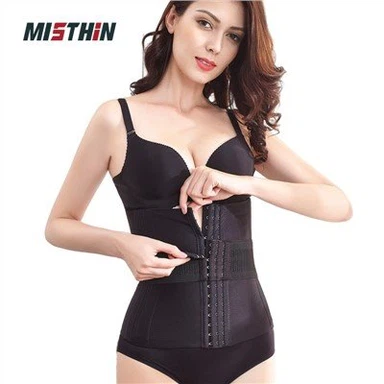
Tight waist trainers
Steel-boned shapewear
Garments designed to reduce waist size or "cinch" the abdomen
If compression causes pain, numbness, shortness of breath, or discomfort, it should be discontinued immediately.
Can Wearing a Waist Trainer Cause Miscarriage in Early Pregnancy?
This is one of the most critical concerns-and it deserves a clear, responsible answer.
There is no direct clinical evidence proving that wearing a waist trainer alone causes miscarriage. However, medical experts strongly advise against wearing waist trainers during early pregnancy, because they can:
Increase intra-abdominal pressure
Restrict blood flow to the pelvic region
Limit oxygen intake by compressing the diaphragm
Interfere with natural uterine expansion
During the first trimester, the embryo is particularly sensitive to physiological stress. While miscarriage is most commonly linked to chromosomal abnormalities, avoidable external pressure and restricted circulation introduce unnecessary risk.
Conclusion: Wearing a waist trainer during early pregnancy is not safe and not recommended.
Can You Wear a Girdle While Pregnant?
Traditional girdles are not suitable for pregnancy.
A standard girdle is designed to:
Flatten the abdomen
Compress fat tissue
Reshape the waistline
These functions directly contradict what a pregnant body requires. Wearing a girdle may:
Restrict fetal growth
Increase discomfort and digestive issues
Worsen breathing and circulation
Cause pelvic or abdominal pain
That said, maternity girdles-also known as maternity support garments-are different. They are designed to:
Lift and support the belly from underneath
Reduce strain on the lower back
Adapt to body changes trimester by trimester
Only girdles clearly labeled and certified for maternity use should be considered.
What Not to Wear During Pregnancy?
Certain garments should be avoided entirely during pregnancy due to safety and comfort concerns.
You should avoid:
Waist trainers or corsets
Steel-boned shapewear
High-compression bodysuits
Non-breathable synthetic fabrics
Tight elastic bands around the abdomen
These items can:
Restrict blood circulation
Increase overheating
Exacerbate swelling and reflux
Interfere with normal fetal development
Pregnancy clothing should prioritize flexibility, breathability, and adaptive support-not aesthetic compression.
How Is Maternity Shapewear Different from Regular Shapewear?
To clearly understand why regular shapewear is not suitable during pregnancy, the differences are best explained side by side. The table below highlights design intent, safety level, and functional differences, which also helps Google clearly interpret user intent and topical relevance.
| Feature | Regular Shapewear | Maternity Shapewear |
|---|---|---|
| Primary Purpose | Slimming, waist reduction, body shaping | Belly support, posture support, pregnancy comfort |
| Compression Level | High to very high, targeted compression | Low to moderate, evenly distributed support |
| Abdominal Design | Flattens and compresses the stomach | Expanding belly panel that adapts to growth |
| Impact on Uterus | Direct pressure on the abdominal area | No direct compression on the uterus |
| Structural Components | Steel bones, rigid panels, tight elastics | Soft knitting, flexible panels, no hard bones |
| Breathability | Often limited, heat-retaining fabrics | Breathable, moisture-wicking maternity fabrics |
| Adjustability | Limited adjustability | Highly adjustable for different trimesters |
| Safety During Pregnancy | ❌ Not recommended | ✅ Designed for pregnancy use |
| Medical Recommendation | Generally discouraged by professionals | Often recommended for support (with approval) |
This structural difference explains why maternity shapewear supports the body instead of reshaping it-a critical distinction for pregnancy safety.
How to Choose Pregnancy Shapewear?
Buying intent keyword cluster: best pregnancy shapewear, maternity shapewear support, safe shapewear for pregnancy
Choosing the right pregnancy shapewear requires careful evaluation of safety, materials, and design.
1.Look for Medical or Maternity Certification
Products should be clearly labeled as:
Maternity shapewear
Prenatal support garment
OB‑GYN recommended (where applicable)
Recommended materials include:
Cotton blends
Bamboo fiber
High-quality maternity mesh
Avoid fabrics that trap heat or moisture.
3.The garment should:
Support from underneath the belly
Reduce pressure on the lower back
Allow natural abdominal expansion
Avoid Steel Bones and Rigid Structures
Any form of hard boning or rigid shaping components is inappropriate for pregnancy.
4.Adjustability Is Essential
Pregnancy shapewear should grow with you. Look for:
Adjustable straps
Stretch panels
Trimester-adaptive sizing
Wholesale shapewear
FAQ
Can tight shapewear hurt my baby during pregnancy?
Yes. Tight or high-compression shapewear not designed for pregnancy may restrict circulation and increase abdominal pressure, which is why medical professionals advise against it.
Is maternity shapewear safe in the first trimester?
Generally yes, if it provides light support without compressing the abdomen. Always consult your healthcare provider if unsure.
Can I sleep in maternity shapewear?
No. Even maternity shapewear should not be worn while sleeping, as prolonged compression can affect circulation.
When should I stop wearing shapewear during pregnancy?
Stop immediately if you experience discomfort, pain, shortness of breath, or numbness. Comfort and safety should always come first.
So, can you wear shapewear while pregnant? Yes-but only when it is specifically engineered for pregnancy and used responsibly.
Avoid waist trainers, corsets, and traditional girdles. Instead, opt for maternity shapewear that prioritizes safety, comfort, and support over body shaping.
When in doubt, always consult your healthcare provider before wearing any compression garment during pregnancy. Your body-and your baby-deserve nothing less than informed, evidence-based care.