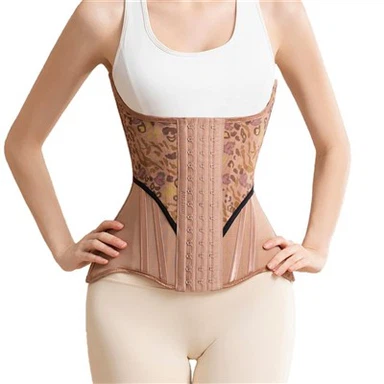

Waist Trainer Material Comparison: Neoprene vs Nylon vs Cotton
Apr 23, 2026
Waist Trainer Material Showdown: A B2B Buyer's Field Guide to Neoprene, Nylon, and Cotton
In the wholesale shapewear market, material choice isn't just about texture-it's about margins, return rates, and brand identity. I've seen too many brands fail because they sourced a "high-compression" trainer that smelled like a chemical plant, or a "breathable" cotton blend that stretched out after one wash.
As we navigate the 2026 manufacturing landscape, the "one-size-fits-all" approach is dead. To build a profitable line, you need to match the specific polymer to the user's pain point. Here is a breakdown of the three industry titans-Neoprene, Nylon, and Cotton-from a sourcing and performance perspective.
Neoprene: The High-Intensity "Sweat" Engine

Neoprene (polychloroprene) remains the heavyweight champion for the "sauna suit" demographic. If your target audience is into CrossFit, heavy lifting, or aggressive weight loss challenges, this is the material they are looking for.
The Reality on the Ground:
Neoprene creates a thermal barrier. It traps body heat effectively, forcing the body to sweat in the core area. For the user, this provides immediate psychological feedback ("it's working because I'm sweating").
Sourcing Notes & Pitfalls:
The Smell Test: Low-quality neoprene often arrives with a pungent, chemical odor that lingers. When vetting factories, always request a "low-odor" or "skin-safe" grade. This is a common complaint in negative Amazon reviews.
Latex-Free Advantage: Unlike rubber-based trainers, neoprene is naturally latex-free, which is a massive selling point for customers with allergies.
Durability: It holds its shape incredibly well. It doesn't stretch out, meaning the customer gets that "tight" feeling every time they put it on.
Best For: "Hourglass" branding, gym wear, and thermal fat-burning marketing angles.
Nylon (Polyamide) + Spandex: The Invisible Daily Driver
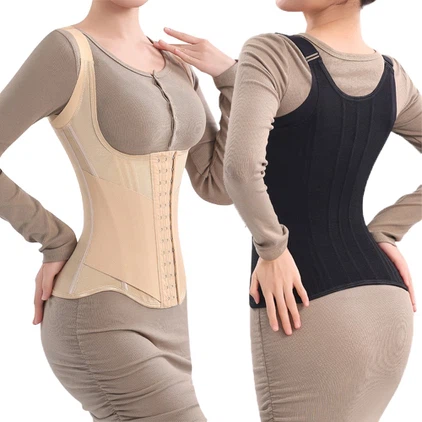
If Neoprene is the gym tank top, Nylon is the t-shirt. This is the standard for "invisible" shapewear-garments meant to be worn under office wear or evening gowns.
Why It Works:
Nylon is hydrophobic (repels water), meaning it wicks sweat away from the body rather than absorbing it. When blended with Spandex (Elastane), it offers a high strength-to-weight ratio. It provides "containment" rather than "crushing" compression.
Sourcing Notes & Pitfalls:
The "Roll-Down" Factor: The biggest failure point in nylon shapewear is the hem rolling down at the waist. When sourcing, look for "laser-cut" edges or silicone grip strips (anti-slip bands) at the top hem. This small detail drastically reduces return rates.
Sheen vs. Matte: For the US and European markets, matte finishes are currently outperforming shiny, "cheap" looking synthetics. Ensure your factory uses high-grade microfiber nylon for a soft-touch feel.
Best For: Postpartum recovery (light support), office wear, and seamless bodysuits.
Cotton: The Medical & Recovery Essential
Cotton is often misunderstood in this industry. It lacks the "snap" of synthetics, but it wins on trust. For post-surgical users or those with sensitive skin, cotton isn't just a preference; it's a medical necessity.
The Trade-off:
Cotton breathes, but it absorbs. If a user sweats heavily in a cotton trainer, it becomes a wet, heavy sponge. Therefore, pure cotton is rarely used for high-compression waist training.
Sourcing Notes & Pitfalls:
The Blend is Key: Never source 100% cotton for a waist trainer-it will bag out within an hour. You need a blend (e.g., 70% Cotton / 30% Spandex). The cotton provides the skin contact layer (hypoallergenic), while the spandex provides the structural integrity.
Bone Casing: Because cotton is softer, the casing for the steel bones must be reinforced. Check that the factory uses strong twill tape or nylon lining inside the cotton layer to prevent the bones from poking through.
Best For: Post-surgical recovery (liposuction/tummy tuck), sensitive skin niches, and sleep-wear.
The Procurement Matrix: Quick Comparison
| Feature | Neoprene | Nylon (Microfiber) | Cotton Blend | |
|---|---|---|---|---|
| Primary Sensation | Heat & Intense Squeeze | Smooth Compression & Wicking | Softness & Breathability | |
| Ideal Use Case | Gym, Sauna, Fat Loss | Office, Evening Wear, Daily | Sleep, Post-Op Recovery | |
| Durability | High (Resists deformation) | High (Resists abrasion) | Moderate (Needs Spandex mix) | |
| Moisture Handling | Traps Sweat (Thermal) | Wicks Moisture (Dry) | Absorbs Moisture (Wet) | |
| Common Complaint | "Smells like chemicals" | "Rolls down at waist" | "Stretches out too fast" |
Final Advice for 2026 Sourcing
Don't just look at the price per unit. In 2026, the consumer is educated. They know the difference between a generic rubber trainer and a breathable medical garment.
My recommendation? Diversify. Use Neoprene as your "entry-level" high-margin product for impulse buys, but invest in high-quality Nylon/Cotton blends for your loyal, repeat customers who value comfort over quick fixes.