

Established in 2015,our office is located in Guangzhou, with convenient transportation access and professional sales team. Our factory is located in Shantou, not only use high quality fabric and advanced sewing machine, but also employ professional workers and professional quality inspectors. Our factory output is about 20, 000pcs garment each day.
We specialized in women’s underwear such as shaperwear, corset, waist trainer, slim panties, body suit, tummy control shaper, bra, leggings, yoga shorts and men’s briefs, jockstrap, boxer. Our brand- Misthin is one of the fastest-growing shapewear. We accept OEM and ODM, can change to clients’ own brand name or without brand name. We offer curated styles that make women look and feel confident in their own skin.
Why choose us?
High quality
Our products are manufactured or executed to very high standards, using the finest materials and manufacturing processes.
Professional team
Our professional team collaborate and communicate effectively with one another, and are committed to delivering high-quality results. They are capable of handling complex challenges and projects that require their specialized expertise and experience.
Long warranty
The long-term warranty is designed to give consumers more confidence that their purchases and services will continue to be valid.
Rich experience
Dedicated to strict quality control and attentive customer service, our experienced staff is always available to discuss your requirements and ensure complete customer satisfaction.
-
![Fashion Waist Trainer For Women]()
Fashion Waist Trainer For Women
Add to Inquiry -
![Colombian Waist Trainer]() Add to Inquiry
Add to Inquiry -
![Waist Trainer For Lower Belly]() Add to Inquiry
Add to Inquiry -
![Compression Waist Trainer]() Add to Inquiry
Add to Inquiry -
![Short Torso Waist Trainer]() Add to Inquiry
Add to Inquiry -
![Fupa Waist Trainer]() Add to Inquiry
Add to Inquiry -
![Hip Enhancer Shapewear]() Add to Inquiry
Add to Inquiry -
![Women Shapewear Zipper Body Shaper]()
Women Shapewear Zipper Body Shaper
Add to Inquiry -
![C Section Waist Trainer]() Add to Inquiry
Add to Inquiry -
![Waist Trainer Bodybuilding]() Add to Inquiry
Add to Inquiry -
![Chpoten Waist Trainer Body Shaper]()
Chpoten Waist Trainer Body Shaper
Add to Inquiry -
![Waist Trainer in Bulk]() Add to Inquiry
Add to Inquiry


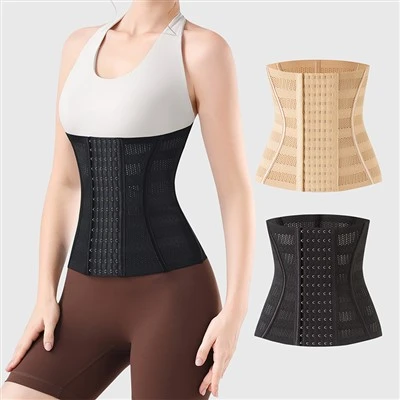
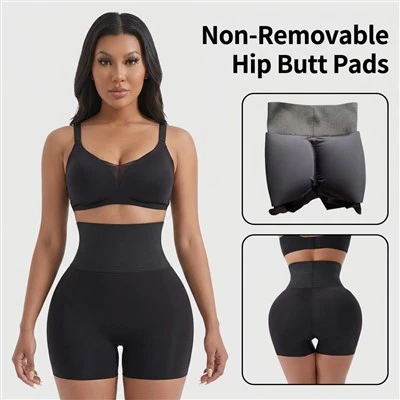
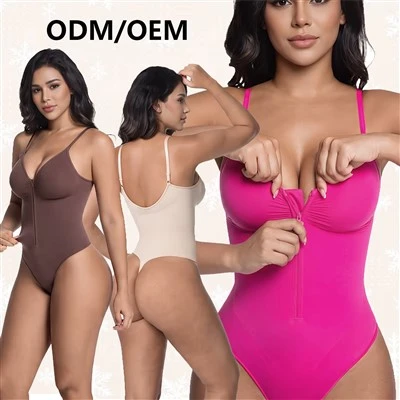
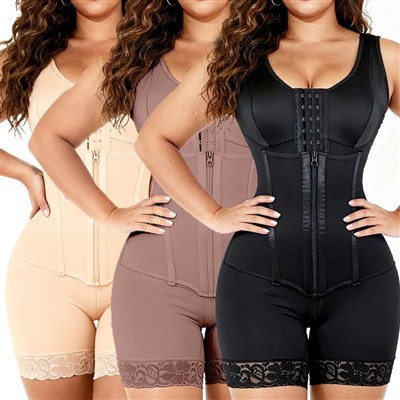
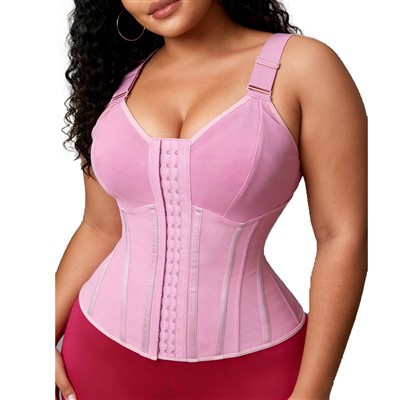
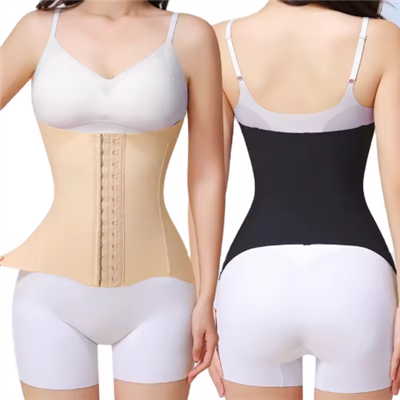

Waist trainers, also known as binders and fajas, are stretchy compression bands worn around the torso. They’re usually made of thick elastic fabric or neoprene with Velcro, or hooks to keep them strapped around your midsection. They’re commonly worn under clothes and during exercise to shape the waist but are also used as a postpartum garment for support. Sometimes they’re recommended in physical therapy to reduce pain for overweight or injured patients and to get people moving again.
Benefits of Waist Trainer
Weight loss
One of the primary benefits of waist training is weight loss. Wearing a waist trainer during exercise can help you sweat more and burn more calories, leading to a slimmer waistline over time. However, it's important to note that waist training alone won't lead to significant weight loss. A healthy diet and regular exercise are also essential for achieving sustainable weight loss.
Improved posture
Wearing a waist trainer can help improve your posture by providing support for your back and core. This can help reduce back pain and discomfort, especially for those who sit at a desk for long periods.
Hourglass figure
Waist training can help create an hourglass figure by cinching in your waist and lifting your bust and hips. This can help you feel more confident and attractive in your clothing.
Postpartum recovery
Many women use waist trainers to aid in postpartum recovery. Wearing a waist trainer can help support your abdominal muscles and reduce swelling after childbirth.
Better workouts
Wearing a waist trainer during workouts can help you engage your core muscles more effectively. This can lead to better results from your exercise routine and help you reach your fitness goals more quickly.
Types of Waist Trainer


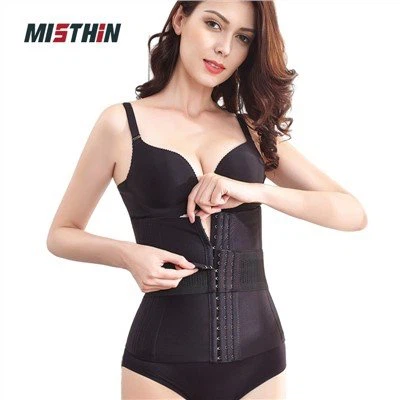

Faja (waist trainers)
Faja is Spanish and translates to belt or girdle. It is a hugely popular style of waist trainer in Latin America and is more commonly known as a waist trainer. A good Faja will have steel boning, is often made with a high Latex content and fits around the waist under the bust. It has a little more flexibility than a corset based waist trainer and is a great entry point for beginners. Fajas are often a good waist trainer to wear to the gym or on days when you are running around town.
Waist training corsets
Steel boned waist training corsets are the ultimate waist training option. As the name suggests, this style of corset is built around a steel structure which offers incredibly effective compression. Like other traditional corset styles, silk and taffeta are popular textile choices. The steel boned corset, worn over time, is perhaps the most effective at altering the shape of the lower rib cage and providing a well-defined hour glass shape. These corsets vary in design to sit both over and under the bust.
Steel boned corsets
Steel boned corsets look a little more like traditional corsets (with lacing or hooks) and can sit under or over the bust depending on the design. Satin, taffeta and other none stretch textiles mean waist training corsets offer less give than modern shapewear and can provide more defined results. Compression is achieved by using double the number of steel bones that a standard steel boned corset has. Waist Training Corsets also look amazing and are often be worn as both underwear and outerwear.
Waist cinchers
Waist cinchers sit under the bust, compressing and shaping the area around the waist and stomach. Waist Cinchers are often a little more budget friendly then true waist trainers and are largely made from spandex or other compression materials. The smooth body shaping design can make the Waist Cincher a good choice for providing extra control under your favourite outfit.
Fashion corsets
Fashion corsets are designed in the same traditional way as other corsets but generally provide lighter compression and are not intended waist training. Fashion Corsets are designed to be worn as outerwear or as lingerie, often made from luxe materials with beautiful embellishments. They usually have acrylic bones and are a great way to take a little waist reduction into your evening wardrobe.
Waist trimmers
Waist trimmers are often made of neoprene and look more like a traditional belt than other waist trainers. They fit snugly around the waist as you exercise, causing compression and increased sweating. Worn by both men and women, Waist Trimmers encourage increased weight loss through exercise while providing back and core support as you work out.
Material of Waist Trainer
Latex
Most high-quality waist trainers, also called cinchers, are infused with this stretchy but firm material. The reason is that latex is pretty unbeatable as far as the amount of compression it provides and its durability. If you take care of your latex waist trainer (clean but don’t put it in the washing machine!), it will maintain its high-performance structure for many months of everyday wear.
Cotton
Some cinchers use a higher percentage of cotton in their construction for a softer, cooler feel – particularly in the exterior lining. This can be more comfortable to wear in warm climates.
Steel-boned corsets
Classic corsets differ quite a bit from modern corsets—for starters, they are reinforced with steel! The boning is what provides the firm shape, while ribbons pull them tight in the back. Corsets are not typically constructed with latex. The materials are usually satin, polyester or cotton. Cotton can feel a bit cooler on the skin than the other fabrics.
How a Waist Trainer Started
This history of a waist trainer all started with an Italian noblewoman of the 1500s – Catherine de’Medici. By her marriage to King Henry II, she had been the queens consort of France for over a decade and had an extensive influence in the political life of the country at the time. By her ruling, the entrance of thick waists at court was banned, forcing all women to find quick, easy, and effective alternatives. This was where waist training all began.
At an attempt to control the thickness of their waistlines, women started binding their waists tightly and wearing corsets as undergarments. This practice continued on until it had been a staple layer to a woman’s daily outfit for centuries. To this day, both the average woman and famous celebrities put them on during special occasions such as weddings, parties, award nights, and the like. Little by little, however, the corset made its way to daily fashion. Some women simply desire to carry an hourglass figure and look their best even for a regular day shopping with the girls - and we are all for it!
How Waist Trainer Works
Waist trainers constrict your mid-section and keep it at a certain size for long periods of time. Through regular use, your waistline will eventually adapt and reduce in size. This result is especially seen in the classic waist trainer with an inner bone structure.

How to Use Your Waist Trainer
Waist trainers can be a little tricky to put on if you’ve never tried them before. So follow these easy breezy steps to wear them in no time!
1.Choose the lowest setting is a bit confusing. Most trainers have 2 to 3 rows of hooks, use the looser setting at first. Then work on tighter setting once you're used to the loose setting.
2.Hook from bottom up. Start hooking at the bottom of your waist moving upwards - this is the easiest way to wear your waist trainer.
3.Wear for a couple hours at first. Wear it for an hour or two a day until you are comfortable wearing it for longer hours.
4.Wearing for long hours. If you're comfortable with your waist trainer, you can wear it for longer hours. It is recommended to wear it for eight hours a day to get the best results.
5.Wear under garment. Most waist trainers are suitable to be worn under a garment. Find clothing that is comfortable and will allow your skin to breathe even if you're wearing a waist trainer.
6.Remove it to sleep. Waist trainers are not meant to be worn at night. You need to give your body a chance to relax and recover.
How to Maintain Waist Trainer
- Regular washing of your waist trainer is important to keep it clean and hygienic, and to prolong its lifespan.
- Hand-washing is the preferred method for cleaning waist trainers, as machine washing can damage the garment and its shape.
- Use a gentle detergent and lukewarm water to hand-wash your waist trainer, and avoid using bleach or fabric softeners.
- Allow the waist trainer to air-dry completely, and avoid using a dryer or hanging it in direct sunlight.
- Avoid wringing or twisting the waist trainer while washing, as this can damage the fabric and affect its shape.
- To maintain the waist trainer's shape, store it flat or rolled up, and avoid folding or bending it.
How to Choose the Right Waist Trainer
Breathability
A significant indication that things aren’t working is whether you can breathe; if you can’t, start over! A waist trainer’s design is more restrictive, but not in an inability to breathe kind of way. Restricting breathing is counterproductive to the process and can cause potential damage.
Ensure you can comfortably inhale and exhale in all positions, sitting, standing, and moving around. When practicing movement, change directions and practice different ranges to ensure you can breathe normally. The goal is to ensure there are no restrictions or limitations.
Comfortability
While breathing is a top indication of proper waist training, the overall comfort you have in it is critical. They are wearable under loose clothing or on top of light layers like tank tops or T-shirts. You may need to make a few adjustments to your wardrobe to accommodate your waist trainer, but ensure comfortability at all times while wearing one.
You can do several things to verify your comfort levels, like pin-hook placements, fabrics, and boning materials. The primary support method is the boning, so ensuring this is comfortable will allow for better results. Consider fabrics that are durable and breathable, so if you intend to wear them every day, it’s compatible with your lifestyle.
Generally, the everyday waist trainer sees many situations like the gym, the office, and lounging at home. All these scenarios require varying comfort levels in clothing and waist trainers. Being mindful of the boning structure and fabrics can maintain comfortability while wearing a waist trainer regardless of activity.
Fit and form
Prioritize your measurements, no matter what you end up choosing. The measurement process is where the breathability and comfort take shape, so take these numbers seriously. One of the most critical measurements you will take is the length of your natural waist, all the way around, also known as your circumference.
Many confuse two different waistlines as their natural waist, but the most accurate placement of the natural waist is the smallest part, below the breasts and above the hips. Many argue that the hips are the waist, but in the case of waist training, the natural waist matters most. The design of a waist trainer keeps the natural waist in mind, as the main goal in this process is to decrease inches.
Stretching and shrinking
It’s essential to remember that your numbers and waist will decrease progressively over time. Because of this, you need a waist trainer that will adjust with you. Check the hook alignment and ensure there are multiple for changing as you go.
When you put the waist trainer on for the first time and notice there are still one or two more settings left, this can ensure it will progress with you through time, and it is a good, long-term fit. If there are fewer hooks left, you might have one that is too big, and it’s best to remeasure and start over.
Rolling or bulging
If you are experiencing rolling or bulging in your waist trainer, you must remove it and start over with sizing. Improper fit is counterproductive, and experiencing one of these warning signs is the notion that the fit is wrong, even if you know your measurements are correct.
Bulging indicates a trainer is too small or not grabbing your body appropriately, meaning there is too little or too much pressure. Rolling around the hip is also common, which generally indicates the trainer is too small. When you compromise the length of the trainer, you take away some of its strength and ability to work for you.
Ensuring everything is snug without being too tight is the best way to receive the desired results.
Our Factory
Our thorough design and manufacturing process requires each piece to be fitted on real women with different body types. This ensures ultimate comfort while sculpting and highlighting your feminine shape. Nothing short of perfect leaves our design studio.


FAQ
Q: What is a waist trainer?
Q: How does a waist trainer work?
Q: What materials are waist trainers made of?
Q: Can wearing a waist trainer help with weight loss?
Q: How often should I wear a waist trainer?
Q: Can I combine a waist trainer with other shapewear?
Q: Can anyone use a waist trainer?
Q: What size waist trainer should I get?
Q: How long does it take to see results from wearing a waist trainer?
Q: How do I put on a waist trainer?
Q: Can I wear a waist trainer while exercising?
Q: How do I clean my waist trainer?
Q: How long can I wear a waist trainer?
Q: Can wearing a waist trainer improve my posture?
Q: What's the difference between a waist trainer and a traditional corset?
Q: Can men use waist trainers?
Q: Can I eat normally while wearing a waist trainer?
Q: Will a waist trainer permanently change my waist size?
Q: Can I wear a waist trainer after giving birth?
Q: Can I wear a waist trainer every day?
We're professional waist trainer manufacturers and suppliers in China, specialized in providing high quality customized products. We warmly welcome you to wholesale high-grade waist trainer at competitive price from our factory.
double compression waist trainer, eleady waist trainer, slimming waist trainer