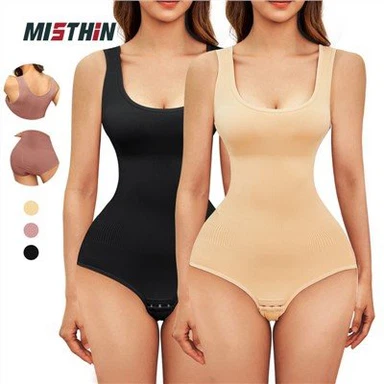

What Does a Faja Do
Jan 06, 2026

You've seen the photos: dramatic "before and after" shots, celebrities wearing sleek undergarments, influencers touting "instant hourglass curves." But when you cut through the hype-what does a faja actually do?
A faja is a high-compression shapewear garment rooted in Latin American culture-especially Colombia-designed to smooth, support, and contour the body. But its real effects are often misunderstood.
Let's explore what a faja can-and cannot-do for your body, confidence, and health.
What Does a Faja Do for You?
When worn correctly, a faja offers several temporary, cosmetic, and supportive benefits:
✅ Smooths the midsection – flattens belly bulge, hides love handles
✅ Enhances curves – creates an hourglass silhouette by cinching the waist and lifting the hips
✅ Improves posture – gentle compression reminds you to stand tall
✅ Boosts confidence – helps clothes fit better and feel more flattering
✅ Supports recovery – used post-surgery or postpartum to reduce swelling and aid healing
But remember: these effects only last while you're wearing it. A faja doesn't burn fat, build muscle, or permanently alter your shape.
At MISTHIN, we design fajas that enhance your natural form-without promising miracles. Our Everyday Comfort Band and Postpartum Recovery Wrap blend medical-grade support with all-day wearability.
What Does a Faja Do Postpartum?
Many new mothers turn to fajas after childbirth-and for good reason.
A postpartum faja can:
- Support weakened abdominal muscles (including diastasis recti,with doctor approval)
- Reduce lower back pain by stabilizing the core
- Help the uterus shrink back to pre-pregnancy size faster
- Provide gentle compression to ease bloating and fluid retention
⚠️ Important: Wait until your healthcare provider clears you (usually 1–2 weeks after vaginal birth, 4–6 weeks after C-section). Never wear a faja too tightly-it shouldn't restrict breathing, digestion, or circulation.
MISTHIN's Postpartum Core Support Faja is designed with adjustable hooks, breathable fabric, and targeted lumbar support-so you heal comfortably.
What Is a Faja in English?
In English,faja translates to girdle, waist trainer, body shaper, or compression garment-depending on style and purpose.
While "waist trainer" often implies fitness or aesthetic use, "faja" carries cultural weight: in Colombia and Venezuela, it's a symbol of beauty, discipline, and post-surgical care. Today, the term is used globally to describe high-compression shapewear that goes beyond basic smoothing.
Can a Faja Shape Your Body Without Surgery?
Temporarily-yes. Permanently-no.
A faja compresses soft tissue and shifts internal organs slightly, creating an immediate but reversible change in silhouette. Once removed, your body returns to its natural shape within hours.
Long-term daily use (8+ hours/day for months) may lead to minor rib flexibility in rare cases-but no scientific evidence shows fajas reduce fat, build muscle, or create lasting waist reduction without surgery or significant weight loss.
Think of a faja like a filter on a photo: it enhances your lookin the moment, but doesn't change your underlying structure.
Does a Faja Shape Your Body?
Only while you're wearing it.
It reshapes your appearance by
- Compressing abdominal fat and skin
- Lifting the buttocks (in full-body styles)
- Smoothing the back and sides
But it does not:
- Burn calories
- Tighten loose skin permanently
- Replace strength training or nutrition
For real body shaping, combine healthy habits with shapewear as a styling aid-not a solution.
Do Fajas Make You Skinny?
No.
Fajas may make youlook slimmer under clothes, but they do not cause weight loss. Any immediate "inch loss" is due to water displacement and tissue compression-not fat reduction.
Sweating more in a faja (common during workouts) leads to temporary water weight loss, which returns as soon as you drink water.
🚫 Beware of claims like "lose 5 inches in a week!"-they're marketing, not science.
Do Fajas Help with Bloating?
Yes-in the short term.
Gentle abdominal compression can:
- Reduce the visible puffiness of bloating
- Ease discomfort from gas or mild fluid retention
- Support digestion by encouraging upright posture
However, if bloating is chronic (due to IBS, food intolerance, etc.), a faja won't treat the root cause-and tight compression could worsen symptoms.
✅ Tip: Choose a moderate-compression, breathable faja like MISTHIN's Everyday Band for occasional bloating relief.
Benefits of Wearing a Faja Every Day
If worn safely (proper fit, limited hours, breathable fabric), daily faja use may offer:
- Consistent smoothing under workwear or dresses
- Improved posture awareness
- Reduced "jiggle" during walking or standing
- Confidence boost in social or professional settings
But daily wear isn't for everyone. Risks include:
- Skin irritation or heat rash
- Weakened core muscles (if over-reliant)
- Digestive issues (if too tight)
✅ Best practice: Limit to 4–8 hours/day, take rest days, and never sleep in it.
How Long Should I Wear a Faja?
It depends on your goal:
Purpose Recommended Duration
Post-surgery recovery 6–12 weeks, 23 hrs/day (as directed by surgeon)
Postpartum recovery 6–12 weeks, 8–12 hrs/day (with medical clearance)
Everyday shaping 4–8 hours/day, max 5–6 days/week
Special occasion 4–6 hours (event duration only)
Workouts ≤45 minutes, light activity only
🚫 Never wear a faja while sleeping, during intense exercise, or if you feel numbness, pain, or difficulty breathing.
Start slow: 2–3 hours/day, then gradually increase as your body adjusts.
Final Takeaway: Respect Your Body, Use Fajas Wisely
A faja is a powerful tool for temporary shaping, support, and confidence-but it's not a shortcut to a new body. Used responsibly, it complements your lifestyle. Used obsessively, it can harm your health.
At MISTHIN, we believe in honest beauty: shapewear that supports your journey without compromising your well-being. Whether you're recovering, styling, or simply seeking comfort, our fajas are designed to movewith you-not against you.
Because your body deserves care-not constriction.
Disclaimer: Fajas are not medical devices unless prescribed. Consult your doctor before using compression garments postpartum, post-surgery, or if you have circulatory, digestive, or respiratory conditions.