

Established in 2015,our office is located in Guangzhou, with convenient transportation access and professional sales team. Our factory is located in Shantou, not only use high quality fabric and advanced sewing machine, but also employ professional workers and professional quality inspectors. Our factory output is about 20, 000pcs garment each day.
We specialized in women’s underwear such as shaperwear, corset, waist trainer, slim panties, body suit, tummy control shaper, bra, leggings, yoga shorts and men’s briefs, jockstrap, boxer. Our brand- Misthin is one of the fastest-growing shapewear. We accept OEM and ODM, can change to clients’ own brand name or without brand name. We offer curated styles that make women look and feel confident in their own skin.
Why choose us?
High quality
Our products are manufactured or executed to very high standards, using the finest materials and manufacturing processes.
Professional team
Our professional team collaborate and communicate effectively with one another, and are committed to delivering high-quality results. They are capable of handling complex challenges and projects that require their specialized expertise and experience.
Long warranty
The long-term warranty is designed to give consumers more confidence that their purchases and services will continue to be valid.
Rich experience
Dedicated to strict quality control and attentive customer service, our experienced staff is always available to discuss your requirements and ensure complete customer satisfaction.
-
![Waist Trimmer Belt For Women]() Add to Inquiry
Add to Inquiry -
![Tummy Wrap Waist Trainer]() Add to Inquiry
Add to Inquiry -
![Sweat Shaper Waist Trimmer]() Add to Inquiry
Add to Inquiry -
![Waist Trainer Bandage Wrap]() Add to Inquiry
Add to Inquiry

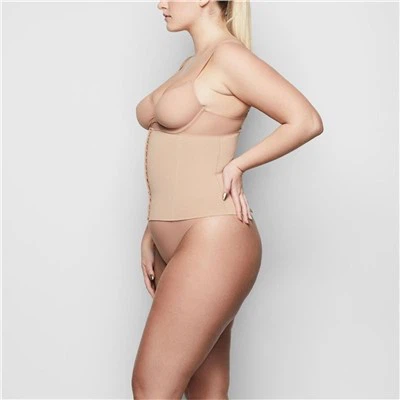
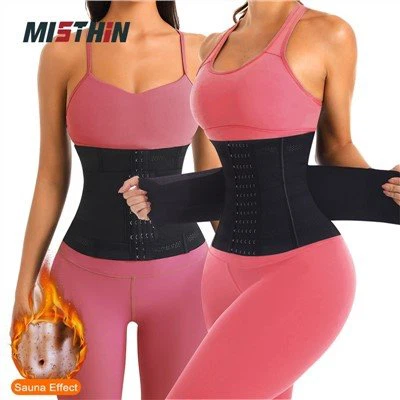
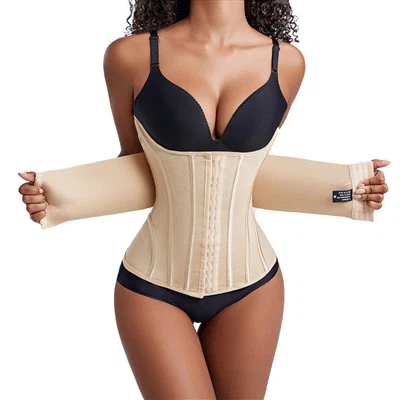
A waist trainer wrap is a shaping garment similar to a girdle. The waist trainer wrap pulls a person’s midsection in as tight as possible. The idea behind a waist trainer wrap is that the pulling action gives the person a sleeker, smaller waist.
Waist trainers wrap usually consist of a combination of tough fabric and hard fibers. Hooks, Velcro, lacing, or other strong fasteners hold the trainer tightly in place.
Benefits of Waist Trainer Wrap
Better posture
Wearing a waist trainer wrap improves your posture. When your shoulders are back and your chest is lifted, you look taller and slimmer because you’re standing straight. That type of posture is what you want to maintain when walking on the treadmill or doing standing exercises such as shoulder presses and biceps curls.
Back support
A waist trainer wrap also supports your lower back, which is especially helpful if you’ve had back pain in the past. The trainer can help protect you from straining while you’re exercising.
Increase in the number of calories expended
A waist trainer wrap made from fabric such as Lycra®, Spandex or latex does more than compress — it stimulates thermal activity in your midsection. That means you sweat more and burn more calories during a workout.
More confidence
Wearing a waist trainer wrap immediately makes you look slimmer and fitter — and that boosts your confidence at your gym. That confidence may encourage you to try a new workout class or to challenge yourself in new ways.
Types of Waist Trainer Wrap




Corsets
A true corset has boning, usually made of steel, and laces in the back that are used for tightlacing. The boning is the key to a corset’s shaping power since it allows the corset to keep its shape when its cinched tighter and tighter. As you slowly tighten the laces, the steel boning gradually contorts your ribcage to the shape of the corset, essentially tapering your waistline.
Waist cinchers, aka fajas
These are the waist trainers you see pretty much all the celebrities wearing. Cinchers are like corsets in that they visibly and immediately shrink your waistline while wearing them but they have a few crucial differences.
For starters, cinchers are usually made of a combination of latex and/or spandex that compresses your body but is also able to move with it, making it less restrictive than a corset.
Cinchers are also more flexible with boning options – there are cinchers with no boning, fewer steel columns of boning or flexiboning that’s made of plastic and provides more pliable support.
Waist trimmers
Waist trimmers are in a different category altogether. Rather than training your waist to conform to an hourglass figure, waist trimmers are all about heating up your core and causing you to burn belly flab.
Waist trimmers are intended to be worn during workouts and are usually made from flexible neoprene that allows for a full range of motion while heating up your core temperature to burn calories faster while also ridding you of unwanted toxins and water weight around your midsection.
Material of Waist Trainer Wrap
The bodice of waist trainer wraps can be made of one of several materials, including:
1.A waist trainer with a satin bodice is smooth to the touch and allows the fabric of your outerwear to naturally drape over it smoothly. This can be extra beneficial for clothing that is textured or rough.
2.A waist trainer with a mesh bodice allows for much more breathability while still attaining its smooth and sleek look. The added benefit of this material is that it keeps your body cool and allows your skin to breathe, making it a breeze for days you need more than one layer of clothing.
3.A waist trainer with a cotton bodice is soft against the skin and is one of the most comfortable options. This type of bodice material is perfect for those just starting out into the waist trainer world as it is cooling, lightweight, and cozy.
4.A waist trainer infused with a latex bodice is smooth and highly durable. Because of its durability and firmness, it offers one the most effective amounts of compression. This type of material is also ultra body hugging and often feels like a second skin.
5.A waist trainer with a neoprene bodice is perfect for gym goers and health buffs alike. This material helps you get the most out of your fitness routine because the thermal neoprene helps you get rid of any excess water weight as you go about your activities. Its excellent heat retention mimics your time spent in the sauna and helps you burn more fat as you exercise.

The idea behind waist trainer wraps is that they give the illusion of a smaller-looking waist while attempting to remove fat from around the waist, as well through an intense amount of compression and tightening. A couple of things are happening when you wear a waist trainer wrap. As your stomach area is being tightened and compressed, this leads to the appearance of a slimmer waist, while also causing sweating and a loss of appetite. The combination of these three effects is why waist trainers are marketed as a “quick” way to lose weight.
“They help you drop weight because they tighten the waist so much,” explains Dr. Wakim-Fleming. “So, then, you have a tendency to eat less, especially if you wear them all the time.”
How to Safely Use a Waist Trainer Wrap
The first step to safely using a waist trainer wrap is to select the best size for your body. Ensure you are selecting a size that causes you to feel compression and discomfort - but never pain. The trainer should be tight to put on, but not cause the skin to fold underneath it.
Additionally, you should feel this compression and discomfort on the largest setting of the waist trainer wrap. This size will allow you to get the most out of your trainer and slim your waist gradually by switching to smaller settings.
The second step is to start off by wearing your waist trainer wrap for no more than 2-3 hours per day. If you feel like you could wear the trainer all day to begin with, it’s probably too big for you. On the other hand, if you’re feeling high discomfort or experiencing bruising after wearing, you may want to switch to a larger size.
After a few days, once you feel more comfortable wearing the waist trainer wrap for a few hours, you can slowly increase the time you wear it for each day. Eventually, you can work your way up to wearing it all day or overnight.
Once you’ve reached the point where you can wear the trainer for long durations and it does not feel overly tight or uncomfortable, it’s time to switch to a smaller setting. You’ll likely need to cut the duration down to suit your comfort levels.
When you tighten the waist trainer wrap for the first time, you will find that you adapt to the change in size and discomfort much more quickly, as you will already be used to wearing the trainer regularly.
Once again, work your way up to wearing the trainer for longer periods and reduce the size once the trainer feels too comfortable.
This method will allow you to achieve the results you want in order to shrink your waistline and get an hourglass figure, safely and effectively!
Waist trainer wraps, or rather, corsets (or “waist-cinching”) have been around for centuries, and more specifically, the first reports of corsets date back to the 1500s. They were one of the essential garments in a fashionable woman’s wardrobe and a must-have accessory of the times.
First appeared in Europe and North America only to become the first mass-produced piece of clothing in the world. By the 1850s, the technology and the manufacturing process had improved, and metal boning was introduced to enhance the rigidity and improve the functionality of the corset.
During the 1900s, corsets reached their peak in terms of popularity as straight, slender silhouettes were considered the apex of beauty and the ideal beauty standard - fashion designers also played an important role in further pushing the corsets’ popularity.
What Materials Does a Waist Trainer Wrap Use and How is it Designed
Modern waist trainer wraps are typically constructed in two ways: a waist cincher with a latex core and a traditional steel-boned corset. Both styles provide firm compression around the midsection from beneath the bust to the hips, with varying length.
Most waist cinchers provide compression with latex. Latex can be used to provide firm but comfortable compression and is often used in medical products such as surgical gloves. Latex waist cinchers are designed with hook-and-eye closures in the front of the garment, or sometimes with Velcro. They are often used for workouts and can also be worn all day. Most styles also use flexible plastic or steel boning for additional support.
Corsets are designed with or steel boning in the bodice, and tight lacing in the back. The laces can be tightened to produce the desired waist size. Results can be more dramatic and create a more defined hourglass shape. Several different types of fabric can be used to make corsets, including satin, cotton, or even mesh.
Both styles of waist trainers are effective, and many people who are serious about waist training enjoy the benefits of both.
How to Maintain Waist Trainer Wrap
Wash it properly
Since waist trainer wraps are worn every day, you’d need to regularly wash your waist trainer wrap to maintain proper hygiene. Waist trainers contain a lot of sweat and moisture, making them a breeding ground for bacteria. Cleaning your shapewear regularly is also vital to maintain its highest functionality as it will allow the materials to contract and prevent them from being stretched out.
However, it doesn’t mean you can chuck it in the washing machine and call it a day. Washing machines aren’t the ideal choice for most types of waist trainer wraps. Waist trainer wraps contain some steel bones, which could break in the wringing process while in your machine. The compression material such as latex or spandex might even melt after putting it in a washing machine.
Instead, gently hand wash it with a soft cloth and mild shampoo or baby shampoo in a bowl or basin with some warm water. Start by dipping the soft cloth in warm water and lathering it up with mild shampoo. Do not use detergents as they contain dyes, alcohol, bleach, or fragrances that could damage your garment.
Rub the cloth gently on the garment, then rinse it down with clean water and wipe it down. Make sure that it’s wiped thoroughly so that there is no soapy residue is left.
After wiping everything off, hang the waist trainer wrap up to dry. Do not wring it, just let it drip dry on the line or drying rack, preferably in a well-ventilated area. If your waist trainer wrap is made with latex, try not to leave it out in the sun to dry as it can lose its color if left in direct sunlight. Wait until the garment dries before wearing it again.
Proper storage
Proper storage of your corset is another key component to ensure the longevity of the garment. Waist trainer wraps don’t need to be placed in mothballs or hermetically sealed. However, you need to provide several things for proper storage. The busks should be fastened, the laces are tightened, and the garment itself is laid in a cool and dry place, away from direct sunlight.
Place your waist trainer wrap flat in a drawer or a closet to avoid being exposed to light. It can also be hanged by pinning them to a hanger or draping them over a laundry line. Never roll up your waist trainer wrap to ensure that it maintains its shape.
Do not iron
Besides keeping your waist trainer wrap safe and clean, another essential point in making your waist trainer wrap last longer is to avoid ironing it. Waist trainer wraps cannot be ironed, mostly if it’s made out of 100% natural latex. Placing hot Iron on natural latex can leave you with the half-dismantled remains of your shapewear.
Alternate between different waist trainers
As waist trainer wraps need to be washed regularly, you will be forced to pause your waist training. Additionally, it can also cause your corset to break from the constant wash-wear cycle. Do not wear the same garment for more than two days in a row. Instead, rotate through your wardrobe with other waist trainer wraps.
Waist trainer wraps made of latex especially needs to rest to maintain their functionality. When you purchase a waist trainer wrap, buy at least another one, and alternate between them so they won’t wear out too fast. This will give your corsets a chance to rest and provide you with different styles to accommodate how you feel from one day to the next.
Our Factory
Our thorough design and manufacturing process requires each piece to be fitted on real women with different body types. This ensures ultimate comfort while sculpting and highlighting your feminine shape. Nothing short of perfect leaves our design studio.


FAQ
Q: What is a waist trainer wrap?
Q: How does a waist trainer wrap work?
Q: What materials are waist trainer wraps made from?
Q: Are there different types of waist trainer wraps?
Q: Can a waist trainer wrap help with weight loss?
Q: How often should I wear a waist trainer wrap?
Q: Can anyone wear a waist trainer wrap?
Q: Can I exercise while wearing a waist trainer wrap?
Q: What size should I choose for my waist trainer wrap?
Q: How do I clean my waist trainer wrap?
Q: Can I wear a waist trainer wrap every day?
Q: What results can I expect from using a waist trainer wrap?
Q: Can a waist trainer wrap help with back pain?
Q: Can I wear a waist trainer wrap under my clothes?
Q: How long does it take to see results from wearing a waist trainer wrap?
Q: Can a waist trainer wrap help with post-pregnancy recovery?
Q: Is there an age limit for using a waist trainer wrap?
Q: Can I wear a waist trainer wrap all day?
Q: How do I know if a waist trainer wrap is too tight?
Q: What's the difference between a waist trainer wrap and a traditional corset?
We're professional waist trainer wrap manufacturers and suppliers in China, specialized in providing high quality customized products. We warmly welcome you to wholesale high-grade waist trainer wrap at competitive price from our factory.
waist trainer with saran wrap, no waist allowed waist trainer wrap, workout waist wrap