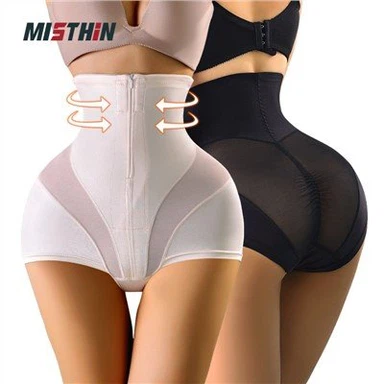

Does Shapewear Help You Lose Weight
Oct 11, 2025
Does Shapewear Help You Lose Weight? The Truth Behind the Squeeze
You've seen the ads:
"Wear this shapewear and lose inches overnight!"
"Train your waist into a 20-inch dream!"
"Burn 3x more fat with every workout!"
It sounds too good to be true - because it is.
At MISTHIN, we've spent over a decade designing waist trainers and shapewear. We've studied real user habits, consulted fitness and textile experts,In this honest, science-backed guide, we'll answer the most common questions:
No hype. No myths. Just facts.
Does Shapewear Help You Lose Weight?
No - shapewear does not cause fat loss or weight loss.
Shapewear, including waist trainers, bodysuits, and tummy control shorts, works by compressing fat and tissue, not burning it.
Think of it like a temporary filter for your body - it smooths, lifts, and slims your silhouette, but the effect disappears the moment you take it off.
|
What Shapewear Actually Does |
What Shapewear Does Not Do |
| Compresses fat and skin | Burn fat |
| Smooths bulges under clothing | Reduce body weight |
| Creates an hourglass shape | Spot-reduce belly fat |
| Increases sweat during physical activity | Replace the need for diet and exercise |
At MISTHIN, we design shapewear to enhance your shape - not replace healthy habits. Real results come from consistency, not compression.
Does Waist Training Flatten Your Stomach?
Waist training can temporarily flatten your stomach by compressing the midsection and redistributing soft tissue. While you're wearing the trainer, your stomach may appear smoother and more defined.
However, this effect is not permanent. Once the shapewear is removed, your body returns to its natural state.
Medical and dermatological literature indicates that compression garments cause temporary changes in skin and subcutaneous tissue, such as fluid displacement and indentation - not actual fat reduction.
That said, long-term, consistent use of a waist trainer - combined with good posture, nutrition, and movement - may lead to slight, semi-permanent changes in waist appearance. These changes come from improved muscle memory and posture, not from structural reshaping.
Still, shapewear cannot override your natural bone structure or genetics. It enhances - it doesn't transform.
Does Shapewear Help with Posture?
Yes - this is one of the most well-documented benefits of wearing shapewear.
Many customers report improved posture within days of regular use. The structured support of a quality waist trainer:
Supports the lower back
Encourages upright alignment
Promotes core engagement
Reduces slouching during long periods of sitting
Some clinical studies on abdominal support garments have shown improvements in spinal alignment and reduced lower back strain, particularly in individuals who sit for prolonged periods. The gentle pressure acts as a physical reminder to sit and stand tall.
While shapewear should not replace core-strengthening exercises, it can serve as a supportive tool to build better postural habits over time.
Can Shapewear Reshape Your Body Permanently?
No - shapewear cannot permanently reshape your body.
Your natural body shape is determined by factors that compression cannot change:
Genetics
Bone structure
Fat distribution patterns
Muscle composition
Shapewear only redistributes soft tissue temporarily. It does not eliminate fat cells or alter your anatomy.
There is no scientific evidence that wearing shapewear leads to permanent body reshaping. Any long-term changes are typically minor and result from lifestyle factors - such as improved posture or weight loss - rather than the garment itself.
Does a Waist Trainer Help You Lose Weight When Working Out?
No - wearing a waist trainer during exercise does not increase fat loss.
Some people wear shapewear during workouts to feel tighter, sweat more, or stay motivated. However, increased sweating is not a sign of fat burning - it's a sign of water loss, which is quickly regained through hydration.
Research on compression garments in athletic performance shows no significant increase in calorie expenditure when wearing waist trainers. In some cases, tight compression can restrict breathing and reduce exercise efficiency.
Additionally, tight garments may raise body temperature and increase the risk of dehydration.
Safe Use During Exercise
If you choose to wear a waist trainer while working out:
Limit use to low-intensity activities like walking or Pilates
Choose breathable, flexible designs that allow full range of motion
Stay hydrated and avo
id overheating
Never wear it during running, HIIT, or heavy lifting
Use it as a core engagement cue - not a shortcut to weight loss.
Disadvantages of Wearing Shapewear
Despite its benefits, shapewear carries risks - especially when worn too tightly or for too long.
Common Disadvantages
Breathing restriction
Tight compression limits diaphragm movement, which can lead to shallow breathing and reduced oxygen intake.
Digestive issues
Pressure on the abdomen may cause acid reflux, bloating, or constipation.
Skin irritation
Friction and trapped moisture can lead to chafing, rashes, or discoloration - especially in sensitive areas.
Muscle weakening
If your core relies on external support too often, the muscles may become less active over time, reducing natural strength.
Nerve compression
Prolonged pressure can compress nerves, leading to numbness, tingling, or pain (such as meralgia paresthetica).
Organ displacement
Extreme or long-term tight-lacing may push internal organs out of their natural position, potentially affecting digestion and organ function.
Psychological dependence
Some users develop a reliance on shapewear to feel confident, which can negatively impact body image.
How to Minimize Risks
Wear for no more than 6–8 hours per day
Never sleep in shapewear
Start with short durations and gradually increase
Choose the correct size - never size down for a tighter fit
Select breathable, medical-grade materials
Stop immediately if you feel pain, numbness, or discomfort
So… What's the Point of Shapewear?
If it doesn't burn fat or reshape your body permanently, why wear it?
Shapewear serves practical and emotional purposes:
It smooths your silhouette under tight clothing
It boosts confidence for special events
It supports posture during long days
It enhances core awareness during light activity
It aids recovery in postpartum or post-surgical cases
At MISTHIN, we believe shapewear should be a tool - not a trick. A boost - not a crutch.
Final Answer: Does Shapewear Help You Lose Weight?
No.
Shapewear compresses, smooths, and supports - but it does not burn fat or cause weight loss.
Real transformation comes from:
Consistent physical activity
Balanced nutrition
Quality sleep
Sustainable habits
Shapewear can enhance your journey - but it should never be the foundation of it.